Food3 min read
Vegetarian in Japan: how to eat well every day (from people who do it)
Yes, it is easy. No, ordering “vegetarian” is not enough. The fish stock that hides in vegetable dishes, and how to ask about it.
By the Troose team ·
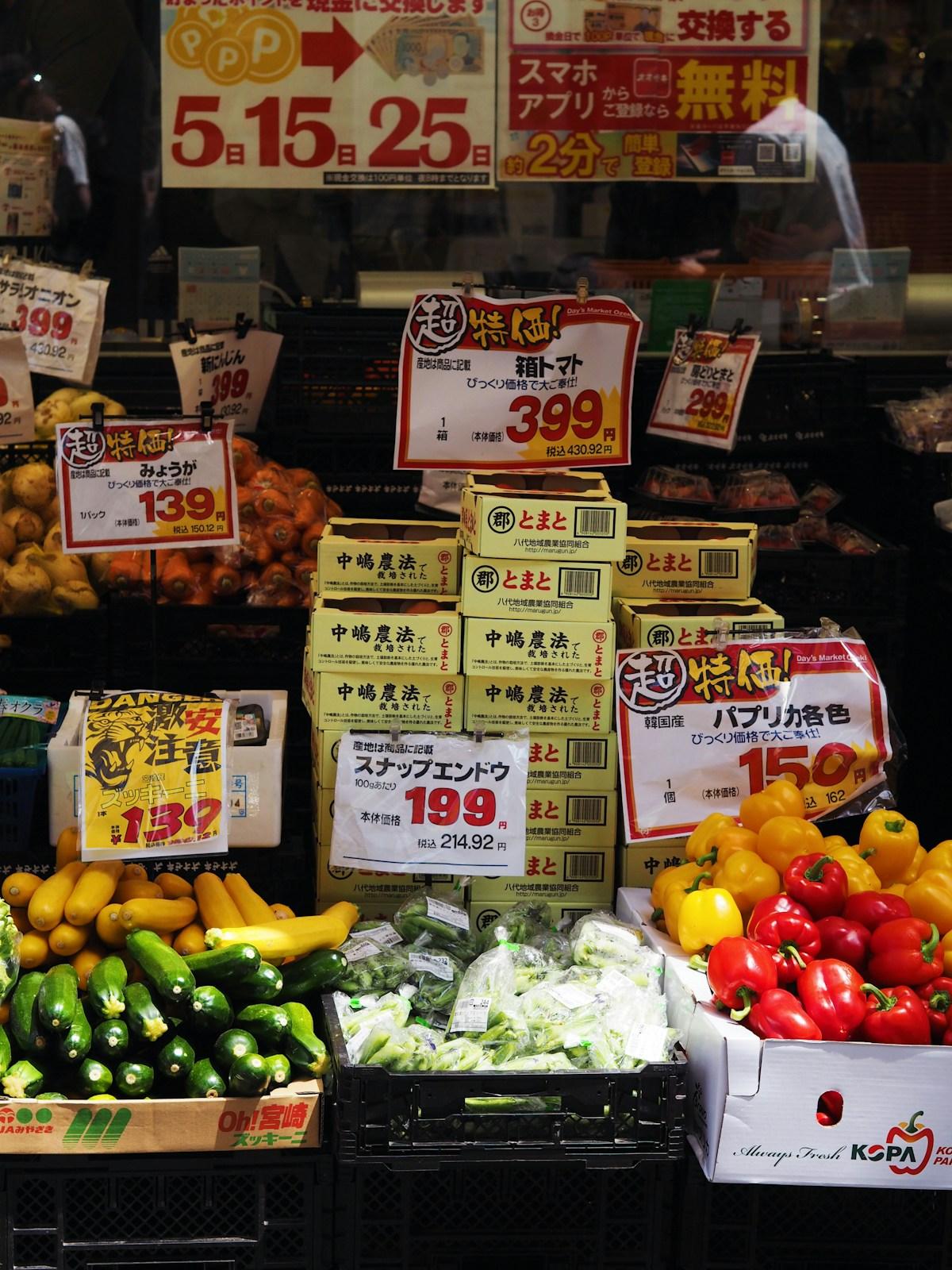

You can eat well as a vegetarian in Japan, but the word vegetarian alone will not protect you. The real trap is dashi, a fish stock used in dishes that look fully vegetable. Learn to ask about it, know a few safe orders, and have a plan for breakfast and lunch.
What “vegetarian” means in Japan
The word vegetarian (bejitarian) is widely understood, especially in Tokyo. But in Japan it usually still allows egg and dairy. Many Indian vegetarians do not eat egg, so say it separately, every time.
Vegan (biigan) means no animal products at all. It is a useful word even if you eat dairy, because vegan dishes are also free of fish stock.
The trap: dashi
Dashi is the stock at the base of Japanese cooking, usually made from dried bonito fish flakes. To most cooks it is not fish, it is just flavour, so “no meat, no fish” does not catch it. A plate of simmered vegetables can be cooked entirely in fish stock.
The safe stock is kombu dashi, made from kelp only. If a kitchen can make a dish with kombu dashi, you are fine.
魚のだしは入っていますか?
Sakana no dashi wa haitte imasu ka?
Does it contain fish stock?
昆布だしなら大丈夫です。
Kombu dashi nara daijoubu desu.
Kelp stock is fine.
卵も食べられません。
Tamago mo taberaremasen.
I can't eat egg either.
More phrases, and a card to print or save on your phone: Japanese phrases for vegetarian and Jain travellers.
What works, every day
Indian restaurants
Tokyo has hundreds of Indian and Nepali restaurants, and they are the most reliable vegetarian meal in the city. Dal, sabzi, paneer and naan, with no dashi questions to ask.
Shojin ryori
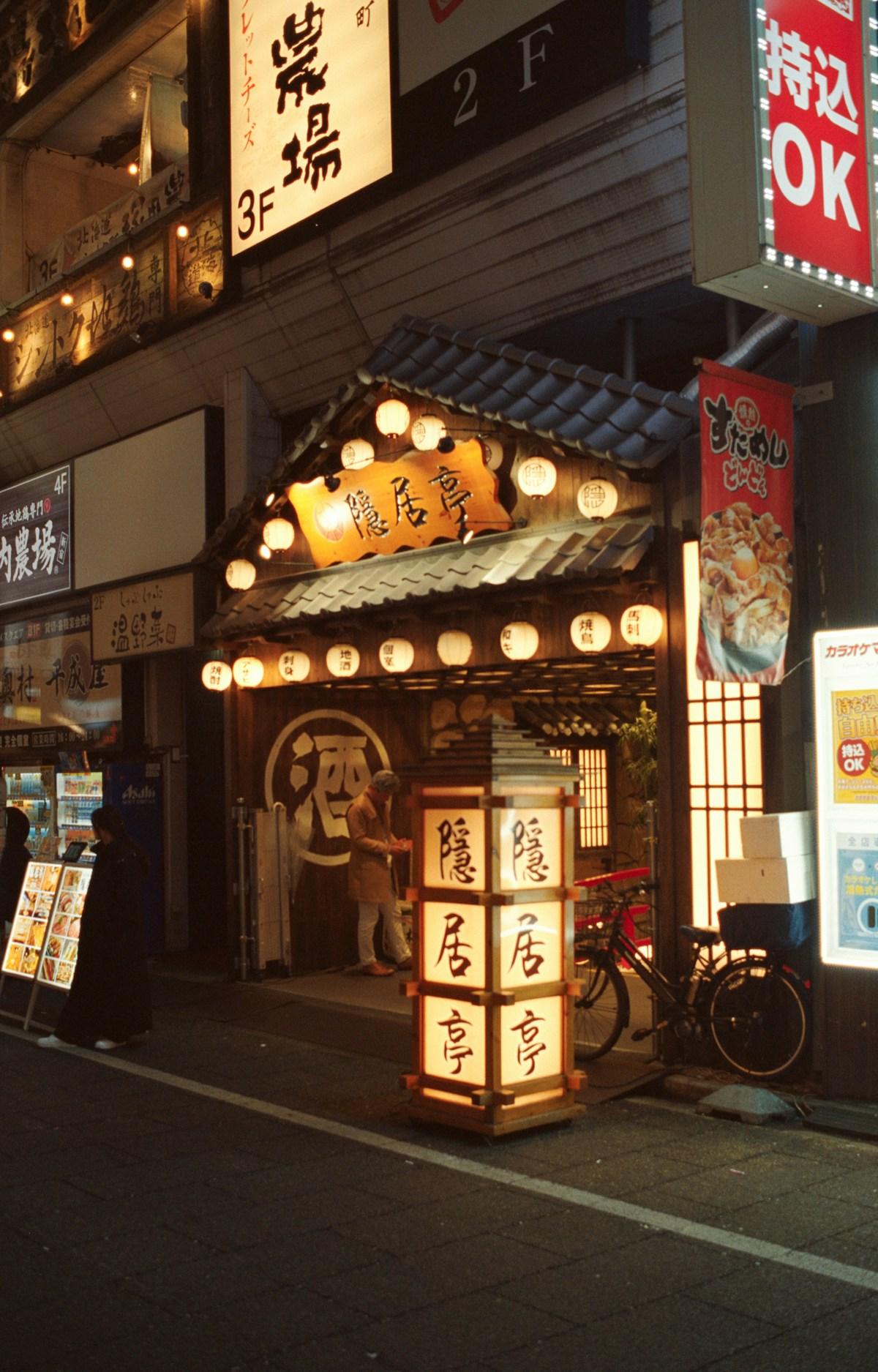
Japan's Buddhist temple food is fully plant based and made without fish stock. It is a set meal, often booked in advance, and one of the best things a vegetarian can eat in Japan.
Vegan restaurants and vegan ramen
Tokyo's vegan scene has grown fast. Vegan ramen is the easiest way to try ramen safely: standard ramen broth is almost always made from pork, chicken or fish.
Simple orders, with a question
Cucumber roll
Usually vegかっぱ巻き kappa maki
Cucumber, rice and seaweed. One of the safest things in a sushi shop.
Pickle roll
Usually vegおしんこ巻き oshinko maki
Pickled daikon roll. Fine for vegetarians.
Inari sushi
Ask firstいなり寿司 inari-zushi
Rice in sweet fried tofu. The tofu is often simmered in dashi.
Vegetable tempura
Not veg野菜天ぷら yasai tenpura
Batter often contains egg, the dipping sauce is dashi, and the oil is shared with seafood.
Cold tofu
Ask first冷奴 hiyayakko
Plain tofu, but it usually comes topped with bonito flakes. Ask for it without.
Edamame
Usually veg枝豆 edamame
Salted soy beans. Safe almost everywhere.
Breakfast and lunch are the hard meals
Hotel buffets in Japan have bread, fruit, cereal and eggs, plus Japanese dishes that often contain dashi or fish. Lunch on a day trip is the other gap, because you are away from the places you know.
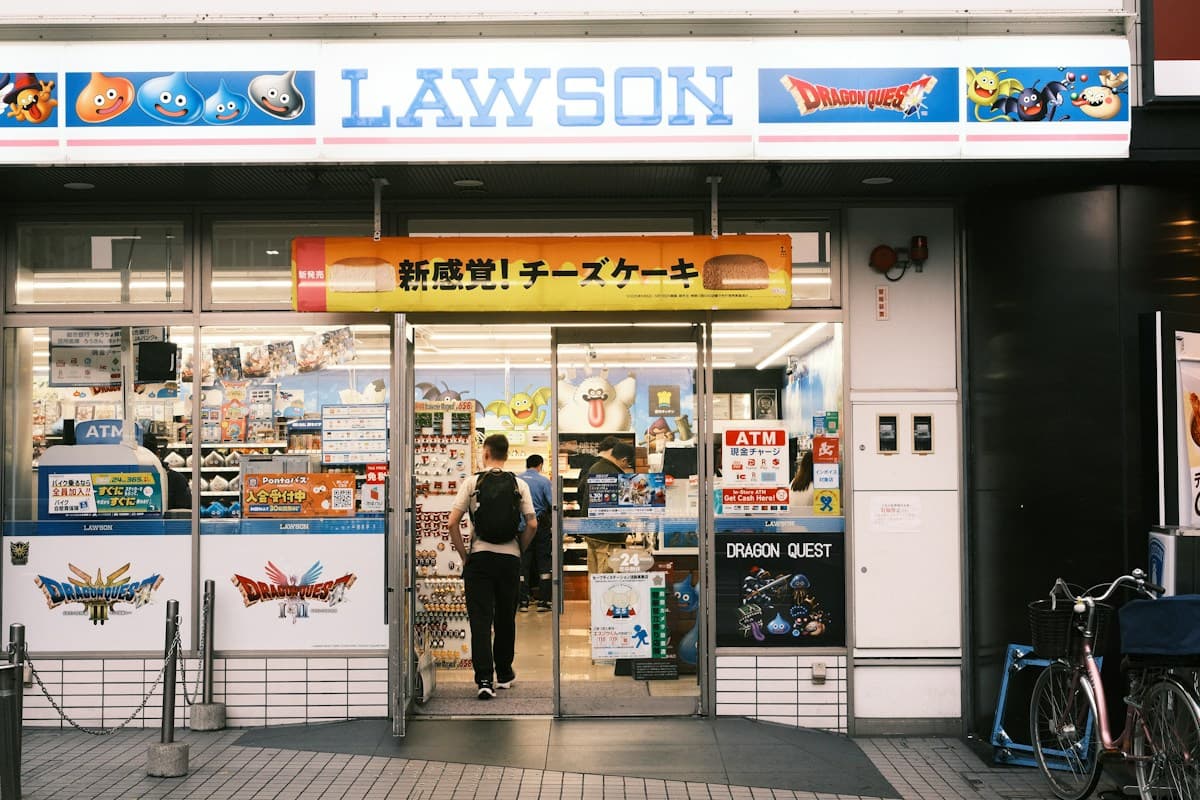
Convenience stores fill both gaps, if you know what to pick: convenience store food for vegetarians.
Quick questions
Is it easy to be vegetarian in Japan?
Easier than its reputation, if you know about dashi. Indian restaurants, temple food, vegan places and simple orders cover every day. Breakfast and day-trip lunches need a plan.
Does vegetarian in Japan include egg?
Usually, yes. Say “tamago mo taberaremasen” (I can't eat egg either) if you don't eat egg.
Is miso soup vegetarian?
Usually not. Most miso soup is made with bonito dashi, a fish stock.
Is ramen vegetarian?
Standard ramen almost never is: the broth is pork, chicken or fish. Look for a vegan ramen shop.
The Tokyo Waddle
Nine days in and around Tokyo, planned for Indian travellers
Fly from India, land in Tokyo and let us handle the transport, tickets and timings. Centuries-old temples by morning, radiant neon cities by night, Mt Fuji mirrored in a lake, and a whole day to shop before you fly home.
- Indian dinner every night
- A guide who speaks English, Hindi and Japanese
- 15 places in 9 days
From ₹1,95,000 per person