Tokyo2 min read
Tokyo food walk: an evening in Asakusa and Shinjuku for Indian travellers
Snacks before the old shops shut, a food hall, then neon. A self-guided evening that works for vegetarians.
By the Troose team ·
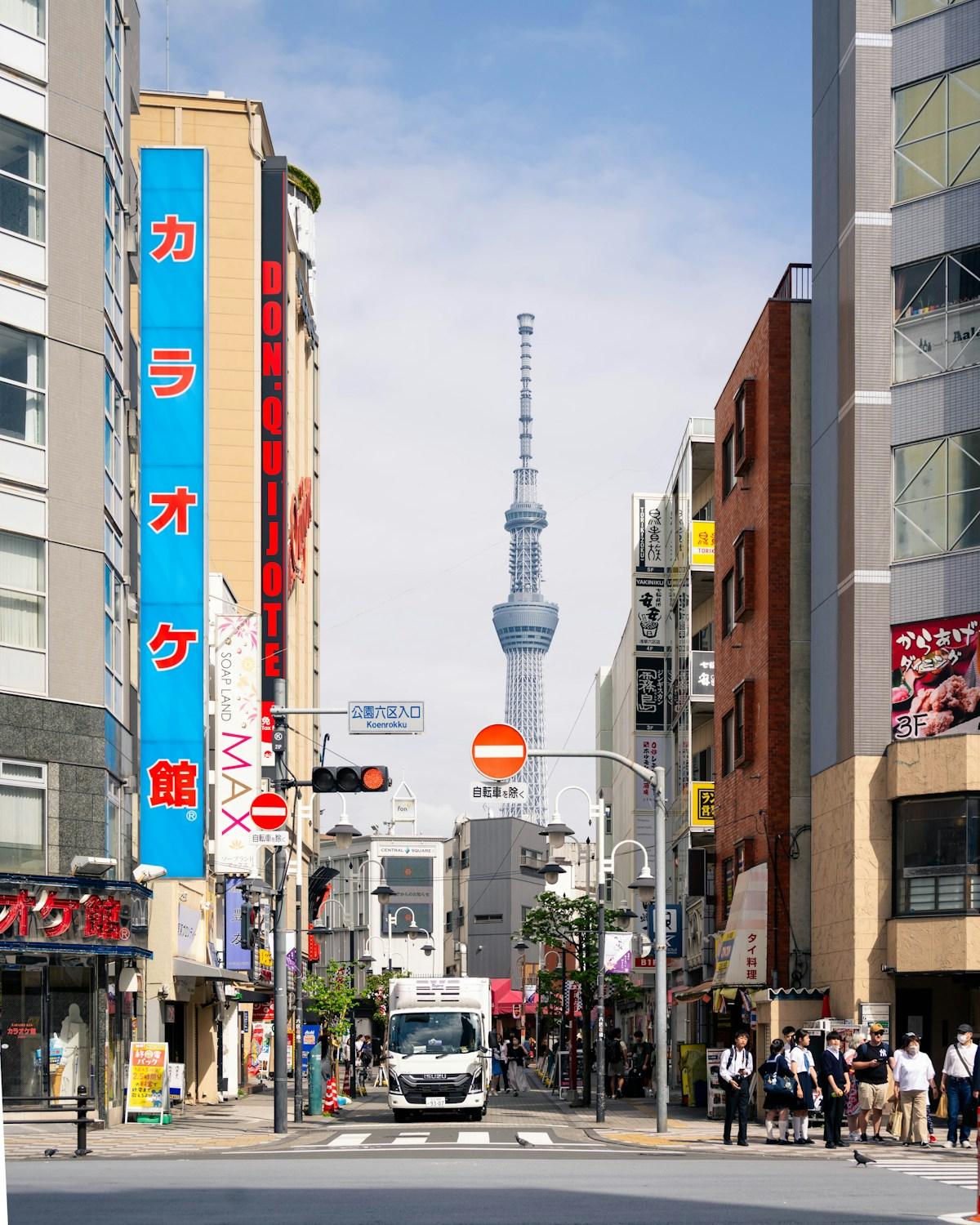

Start in Asakusa in the late afternoon, before the snack shops close, then ride across to Shinjuku for a department store food hall and the neon alleys after dark. Most of the vegetarian-friendly bites are sweet, so plan a proper dinner too.
The plan
Tokyo doesn't really do street food the way Delhi does. Eating while walking is frowned on in many places, and most snacking happens at the stall or just beside it. What Tokyo does instead is old snack streets, enormous food halls and tiny alleys of bars. This walk uses all three.
16:00
Asakusa, Nakamise street
The snack street leading to Senso-ji. Many shops close from about 17:00, so don't be late.
17:30
Senso-ji at dusk
The temple lit up, and far fewer people than at midday.
18:15
Train to Shinjuku
About 35 to 40 minutes, with one change.
19:00
A department store food hall
The basement floors of Shinjuku's big department stores are food halls: sweets, fruit, bento, tea. Most close around 20:00.
20:00
Shinjuku after dark
Walk the neon streets and the narrow lantern-lit alleys near the station.
What to eat in Asakusa
Rice crackers
Usually vegせんべい senbei
Grilled while you watch and brushed with soy sauce. Ask about any flavoured ones.
Millet dumplings
Usually vegきびだんご kibi dango
Small soft dumplings rolled in roasted soy flour. Simple and good.
Matcha soft serve
Usually veg抹茶ソフト maccha sofuto
Green tea ice cream. Contains dairy.
Little bean cakes
Has egg人形焼 ningyou-yaki
Shaped sponge cakes filled with sweet bean paste. The batter contains egg.
Fried bean buns
Ask first揚げまんじゅう age-manjuu
Crisp outside, sweet bean inside. Recipes vary, so ask about egg.
Melon bread
Has eggメロンパン melon pan
A sweet bun with a crackly top. Usually contains egg.
What to eat in Shinjuku
In the food halls, go for Japanese sweets (wagashi), beautiful and very expensive fruit, and tea. Many wagashi are made from rice, beans and sugar, with no egg, but ask: some cakes and pancakes use egg.
Bean-filled rice cake
Usually veg大福 daifuku
Soft rice cake around sweet bean paste. Usually egg free.
Food hall fruit
Usually veg果物 kudamono
Perfect strawberries and melons, sold like jewellery. Expensive, and simply fruit.
Bean pancakes
Has eggどら焼き dorayaki
Two small pancakes around bean paste. The pancake contains egg.
Alley skewers
Not veg焼き鳥 yakitori
The lantern alleys near the station are mostly grilled chicken. Go for the atmosphere.
Quick questions
What should I eat in Asakusa?
Rice crackers grilled on the street, kibi dango, matcha soft serve and ningyo-yaki bean cakes on Nakamise street. Go before 17:00, when many shops close.
Is Tokyo street food vegetarian friendly?
The sweets mostly are, apart from egg in many cakes. Savoury street food usually contains meat or fish stock, so ask.
Can you eat while walking in Tokyo?
It is frowned on in many places. Eat at or next to the stall, then move on.
The Tokyo Waddle
Nine days in and around Tokyo, planned for Indian travellers
Fly from India, land in Tokyo and let us handle the transport, tickets and timings. Centuries-old temples by morning, radiant neon cities by night, Mt Fuji mirrored in a lake, and a whole day to shop before you fly home.
- Indian dinner every night
- A guide who speaks English, Hindi and Japanese
- 15 places in 9 days
From ₹1,95,000 per person